Common Structural Defects in Birmingham's Victorian Homes: A Surveyor's Guide
Birmingham has an extraordinary legacy of Victorian housing. From the red-brick back-to-backs of Sparkbrook to the bay-windowed semis of Edgbaston, these properties are characterised by their solid construction, high ceilings and remarkable longevity. Birmingham Surveyors UK carries out more Level 3 building surveys on Victorian properties than any other type — and we have learned exactly where these buildings tend to go wrong.
This guide is not meant to put you off buying a Victorian home in Birmingham. We love them — and so do most of our clients. But going in with clear eyes means you can budget correctly, negotiate effectively and plan your maintenance sensibly. Here is what our surveyors find most often.
1. Failing Lintels Above Windows and Doors
Victorian builders used a variety of materials for lintels — the horizontal beams that support brickwork above openings. Wrought iron lintels rust and expand, causing the brickwork above to crack and bow. Brick arches can lose cohesion over time. Timber lintels rot. Our surveyors find failing or failed lintels in a significant proportion of the Victorian terraces we survey in Birmingham.
The tell-tale signs are diagonal cracks radiating from the corners of windows or doors, or visible bowing in the brickwork above an opening. Cost to repair: typically £500–£2,000 per lintel depending on access and extent.
2. Roof Spread and Outward Movement at Eaves
Victorian roofs were built using couple or close couple rafter systems, without modern trussed rafter designs. Over time, without adequate lateral restraint, the rafters can spread outward under the weight of the roof covering, pushing the wall plates and eaves outward. This is sometimes visible as slight bowing of the eaves line or gaps between the wall and the roof structure.
In many cases, roof spread has stabilised and represents a historical movement rather than an active problem — but it needs careful assessment. Our Level 3 surveys include full roof space access wherever safe to do so.
3. Chimney Stack Defects
Birmingham's Victorian terraces and semis typically have multiple chimney stacks. These can be a significant source of problems: failed pointing, deteriorated or absent flashings, cracked or leaning stacks, and internally lined flues that have deteriorated. Water ingress through chimney stacks is a common cause of penetrating damp in bedroom and loft areas.
Cost of chimney repairs: repointing and re-flashing from around £800–£3,000 per stack depending on height and access. Structural stack rebuilding can run to £5,000+.
4. Subsidence and Foundation Movement
Birmingham sits predominantly on clay soils, which are susceptible to seasonal movement — shrinking in dry summers and swelling in wet winters. Victorian foundations, which were typically shallow and uncemented, can be affected by this movement. Large trees close to Victorian properties in Birmingham are a known risk factor.
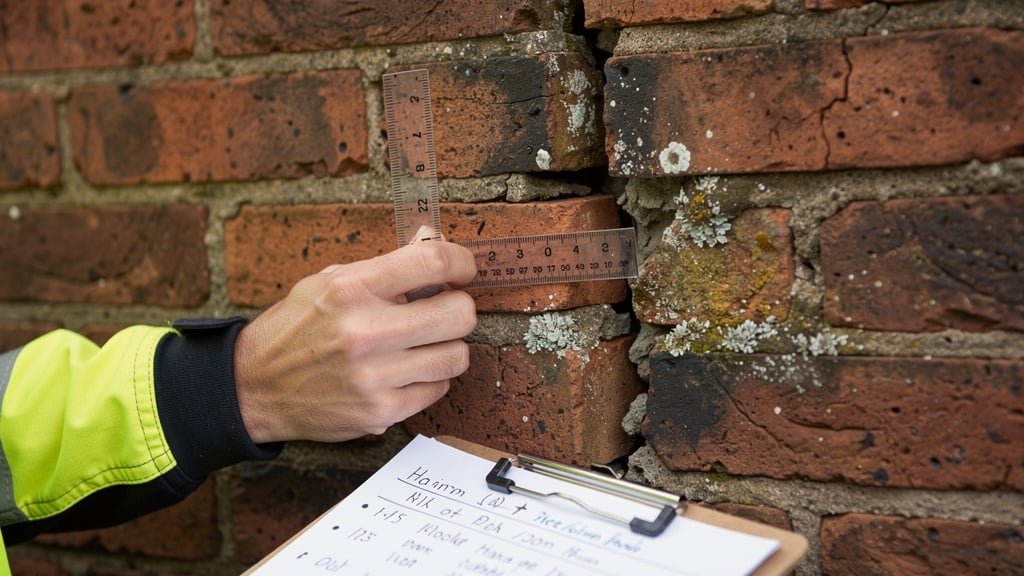
True structural subsidence is less common than most buyers fear — the majority of cracking in Victorian homes is cosmetic or related to thermal movement rather than foundation failure. However, it requires expert assessment to distinguish between the two. Our Level 3 surveys include a detailed crack assessment with classification and monitoring recommendations where appropriate.
5. Flat Roof Extensions
A huge proportion of Birmingham's Victorian terraces have been extended at the rear — typically with flat-roofed single-storey kitchen or bathroom extensions added during the 20th century. Felt flat roofs have a limited lifespan of around 15–20 years and are a near-certain source of defects in older extensions. Our surveyors regularly find ponding water, failed flashings and saturated insulation in these extensions.
Budget for flat roof replacement: typically £1,500–£4,000 depending on area, and higher for modern single-ply membrane or GRP systems.
6. Plumbing and Drainage Issues
Victorian plumbing systems have been patched, altered and modified over 130+ years of occupation. Lead pipes, cast iron soil stacks and ceramic drainage systems are all common in Birmingham's older housing stock. Our surveys regularly flag: undersized pipework, corroded waste systems, evidence of historic plumbing leaks in floor voids, and drainage that does not meet modern standards. CCTV drainage surveys are sometimes recommended as a follow-up.
What to Do With a Survey That Finds Structural Issues
Most structural defects in Victorian Birmingham homes are historic rather than active — meaning they happened decades ago and have since stabilised. The key is accurate identification and appropriate professional advice. Here is our recommended process:
- Read your survey report carefully and note any items classified as condition rating 3
- Call your surveyor and ask them to explain the likely cause and severity of each issue
- Where further investigation is recommended (e.g. CCTV drainage, structural engineer's report), commission these before exchanging contracts
- Get independent quotes for any remedial works identified
- Use the repair costs to negotiate a reduction in the agreed price
"Victorian homes in Birmingham are built to last — most of the defects we find are manageable. The problem is when buyers don't know about them until after they've moved in and the seller's liability has expired. A good survey changes that equation completely." — James Whitfield, Principal Surveyor, Birmingham Surveyors UK
Most Victorian homes in Birmingham have some defects — typically minor to moderate — that have accumulated over more than a century of use. The question is whether they are active, worsening or stable. A Level 3 survey from an experienced surveyor gives you that assessment. Very few Victorian homes have defects so serious that they are not worth purchasing.
Sometimes — particularly where our survey identifies significant cracking, suspected subsidence, or complex structural issues. Our Level 3 survey report will specifically recommend a structural engineer's inspection where this is warranted. In many cases, the Level 3 survey provides all the structural assessment you need.
Book a Level 3 Building Survey on Your Birmingham Victorian Property
Our experienced RICS regulated surveyors know Birmingham's Victorian housing stock inside out. Get a fixed-fee quote within 2 working hours.