Damp in Birmingham Properties: What Every Buyer Needs to Know
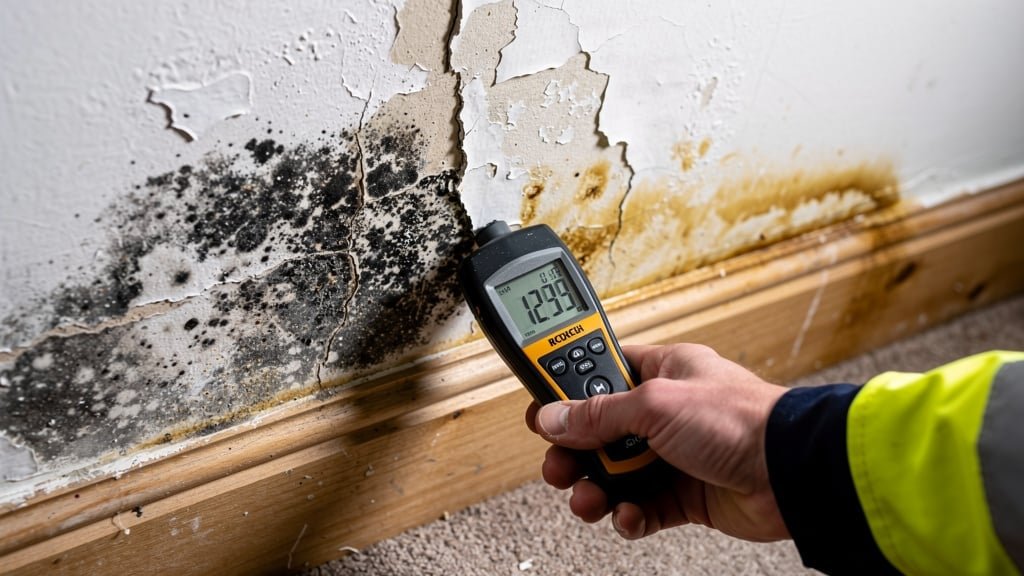
Birmingham Surveyors UK carries out hundreds of property surveys across Birmingham every year — and damp is the single most common issue our surveyors flag. If you are buying a property in Birmingham, particularly a Victorian or Edwardian home, there is a very real chance that damp will feature in your survey report.
That does not mean you should run a mile. But it does mean you need to understand what you are dealing with — and that is exactly what this guide is for.
Why Is Damp So Common in Birmingham's Housing Stock?
Birmingham's housing stock skews heavily Victorian and Edwardian. These properties were built before the widespread use of damp-proof courses, cavity walls or modern waterproofing techniques. Many were originally constructed with solid brick walls, lime mortar and breathable finishes — but over the decades, they have often been "improved" with modern materials that trap moisture rather than allowing it to evaporate.
Add in Birmingham's climate — consistent rainfall, cold winters, and significant diurnal temperature variation — and you have conditions that are highly favourable for moisture-related problems. Our surveyors regularly find damp in Birmingham properties that have had recent redecoration, sometimes because sellers have deliberately concealed it, but more often because damp is genuinely hard to spot without specialist equipment.
The Three Main Types of Damp
1. Rising Damp
Rising damp occurs when groundwater travels upward through the walls of a building by capillary action. It typically produces a distinctive tide mark on the wall at around 1 metre height, along with white salt deposits (efflorescence) and damage to decorations.
In Birmingham's older properties, the original bitumen damp-proof courses have often deteriorated or been bridged by raised ground levels, extensions or render. Our surveyors use calibrated electronic moisture meters to identify rising damp even behind fresh plaster.
2. Penetrating Damp
Penetrating damp comes in from outside — through cracked render, failed pointing, defective gutters, poorly sealed window frames or roof defects. It tends to appear in localised patches rather than a tide mark and often has a more varied distribution than rising damp.
This is very common in Birmingham's terraced housing, particularly on exposed north and west-facing elevations where driving rain is most persistent.
3. Condensation
Condensation is the most common form of moisture in Birmingham properties overall. It forms when warm, moist air comes into contact with cold surfaces — typically in poorly ventilated rooms, behind wardrobes against external walls, and in kitchens and bathrooms. Black mould growth is the most visible symptom. While condensation is often manageable, persistent severe condensation can indicate underlying issues with heating, ventilation or insulation.
What Does Damp Cost to Fix in Birmingham?
Repair costs vary significantly depending on the type and severity:
- Rising damp treatment (chemical injection DPC): typically £1,500–£4,000 depending on the extent, including replastering
- Penetrating damp: can range from £200 (re-pointing a small area) to £5,000+ (full render replacement or major roof repairs)
- Condensation management: usually £200–£1,500 (improved ventilation, insulation improvements)
A word of caution: damp-proofing companies have a significant financial incentive to diagnose and treat damp. We strongly recommend using an independent surveyor — like Birmingham Surveyors UK — for any specialist damp inspection before commissioning any treatment work.
How Our Surveyors Detect Damp in Birmingham Properties
Our specialist damp inspections use professional-grade electronic moisture meters, endoscope cameras for concealed cavities, and thermal imaging equipment to identify moisture patterns that are invisible to the naked eye. This is especially important in properties where recent redecoration may have masked underlying problems.
During a RICS Level 3 Building Survey, our surveyors check for damp as a matter of course in all areas of the property — not just the obvious suspects like basements and ground floors. We regularly find damp in loft spaces, at roof junctions, and behind bathroom and kitchen fittings.
What to Do If Your Survey Flags Damp
First: do not panic. Finding damp in a Birmingham property is very common and does not automatically mean the purchase is off. Follow these steps:
- Read your surveyor's report carefully — understand whether the damp is classified as a condition rating 2 (monitor and address) or condition rating 3 (urgent)
- Ask your surveyor to explain the likely cause and recommended remedy during the follow-up call
- Consider commissioning a specialist damp survey if the issue is significant or the cause is uncertain
- Get independent quotes from reputable contractors — not from the company that diagnosed the issue
- Use the estimated repair costs to renegotiate the purchase price — see our guide on how to use your survey to renegotiate
"We found significant rising damp in a newly redecorated ground floor in Kings Heath recently. The vendor had repainted everything beautifully — but our moisture meter told a different story. The buyer renegotiated £6,000 off the price and sorted the damp before moving in. That's exactly what a survey is for." — Priya Sharma, Lead Residential Surveyor, Birmingham Surveyors UK
Some signs are visible — tide marks, staining, black mould, peeling wallpaper or paint, white salt deposits. But moisture behind plaster, inside walls or beneath floors is often completely invisible without specialist equipment. A professional survey is the only reliable way to identify hidden damp.
Not necessarily. Minor condensation damp is very common and usually manageable. Significant rising damp or penetrating damp is more serious and can cause long-term structural damage if left untreated. Your survey report will categorise the severity and advise on priority.
Not necessarily — damp is very common in Birmingham's older housing stock and is fixable in the vast majority of cases. The key is to understand the extent, the cause and the cost of repair before you commit. Armed with a good survey report, you can make an informed decision and negotiate accordingly.
Concerned About Damp? Book a Specialist Inspection
Our specialist damp and structural inspection service gives you an independent, honest assessment. Covering all of Birmingham and the West Midlands.